
Funding for mine water heat schemes
Mine water heat funding: a clear guide to grants and support for heat network projects
Recovering and reusing waste heat is a vital step toward achieving Net Zero and reducing long-term energy costs. Across Great Britain, former coal mines offer a unique opportunity to harness this low carbon resource through mine water heat and wider heat network projects.
If you’re planning a waste heat recovery project or developing a heat network, securing funding can make the difference between an idea and delivery. Many schemes require upfront investment in feasibility, design and infrastructure, which is where government funding and regional support play a critical role.
At the Mining Remediation Authority (formerly the Coal Authority), we work with local authorities, developers and commercial partners to help unlock these opportunities. We can support you in identifying suitable funding streams, understanding eligibility requirements, and connecting with the right regional partners to move your project forward.
Key funding schemes for waste heat and heat network projects
A number of national funding programmes are available to support low carbon heat projects. These schemes are designed to help projects move from early feasibility through to construction and operation.
Heat Network Delivery Unit (HNDU)
The Heat Network Delivery Unit provides funding for feasibility studies and early development. This includes technical assessments, commercial modelling and progressing a concept to Detailed Project Design (DPD).
HNDU is particularly valuable for organisations at the earliest stage of considering a heat network, where understanding technical viability and business case is essential before committing capital investment.
Public Sector Decarbonisation Scheme (PSDS)
The Public Sector Decarbonisation Scheme has previously supported a wide range of mine water heat and waste heat projects across the UK. While the scheme is currently closed to new applications, it remains an important funding route to monitor. Future rounds are likely to prioritise projects that deliver measurable carbon reduction across public buildings such as hospitals, leisure centres and council estates.
Green Heat Network Fund (GHNF)
The Green Heat Network Fund is one of the main funding streams for low carbon heat networks in England. It supports both capital and commercialisation stages of projects.
However, GHNF is highly competitive and often oversubscribed. Projects using mine water or waste heat can be challenging to score highly against some criteria, particularly where wider network scale or immediate carbon savings are weighted heavily. Despite this, well-developed projects with strong local demand and clear delivery plans can still succeed.
Social Housing Decarbonisation Fund
This fund focuses on improving the energy performance of social housing. While not specifically designed for mine water heat networks, the Social Housing Decarbonisation Fund can support schemes that integrate waste heat solutions into housing developments.
This creates an opportunity to combine building fabric improvements with low carbon heat supply, particularly where there is a nearby mine water heat resource.
Industrial Energy Transformation Fund (IETF)
The Industrial Energy Transformation Fund is targeted at industrial users seeking to reduce energy consumption and emissions. Waste heat recovery projects—especially in manufacturing or processing environments—may qualify under this scheme. This is particularly relevant where mine water heat can provide a direct, cost effective supply of low carbon energy to industrial or commercial premises.
Regional and government support for mine water heat
Alongside national funding schemes, regional support plays a key role in enabling projects to progress. Devolved administrations and regional partnerships can provide funding, guidance and coordination.
- Welsh Government energy funding programmes support low carbon heat and infrastructure across Wales.
- Scottish Government grants offer funding and strategic support for heat network development and geothermal energy projects.
- Net Zero Hubs across England provide localised support, helping organisations develop funding applications and connect with delivery partners.
These regional bodies can often provide early-stage advice, helping you strengthen your proposal before applying to national funding schemes.
Learning from real-world projects
Funding programmes are most effective when combined with proven delivery models. Across Great Britain, several mine water heat and heat network projects demonstrate how funding can unlock large scale, low carbon infrastructure.
For example, the Gateshead Energy Centre is one of the UK’s most advanced mine water heat networks. Since 2023, the system has used boreholes to extract heat from mine water and supply a district heat network serving multiple buildings. You can read the Gateshead Energy Centre case study to understand how public funding and partnership working supported delivery.
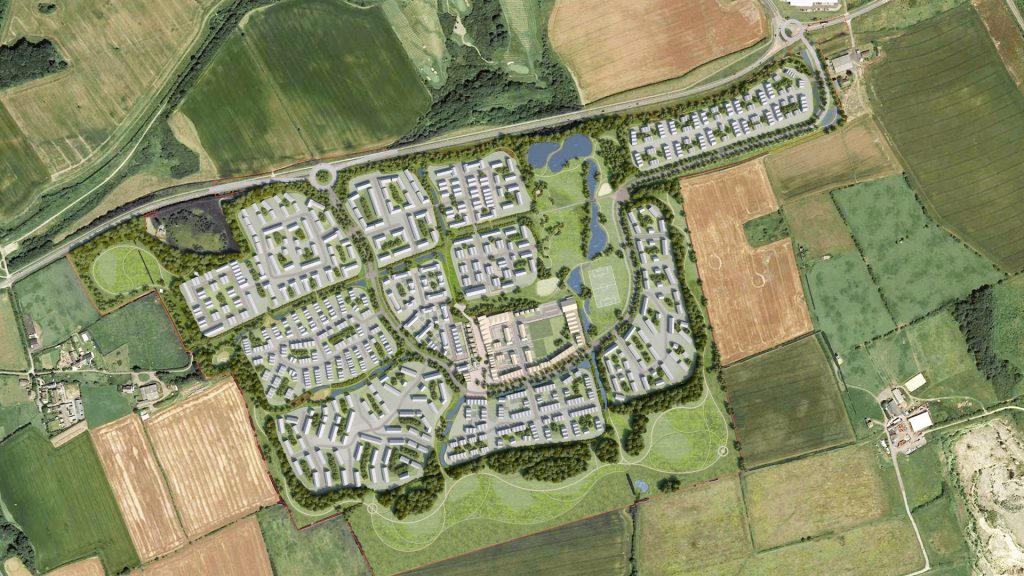
Similarly, the Seaham Garden Village project in County Durham is using mine water heat to supply a new development, supported by government funding through heat network investment programmes. This project shows how funding can enable large-scale infrastructure that supports housing growth and energy security.
In Wales, the Mining Remediation Authority worked with Thermal Earth at the Lindsay Mine Water Treatment Scheme to demonstrate how waste heat from existing mine water operations can be used to support commercial businesses. This “bolt on” approach allows projects to access low carbon heat without the need for deep drilling, reducing both cost and complexity.
These examples highlight a key message: funding is not just about financial support—it enables innovation, reduces risk, and builds confidence for wider adoption.
Green energy and carbon savings — why funding matters
Low carbon heat projects often require significant upfront investment, particularly where new infrastructure or feasibility work is needed. Funding helps to bridge this gap by supporting:
- Feasibility studies and early-stage design
- Detailed engineering and commercial development
- Capital costs for energy centres and network infrastructure
Most funding schemes prioritise projects that deliver clear benefits, including carbon savings, improved energy efficiency, and long-term affordability for users.
Mine water heat schemes are well positioned to meet these criteria. They provide a stable, local energy source, often producing significantly more heat energy than the electricity required to operate the system.
They also offer wider community benefits by repurposing Britain’s mining heritage into a long-term clean energy solution, supporting local jobs and energy resilience.
Looking for mine water heat funding in the UK?
If you’re considering a mine water heat project or waste heat scheme, early engagement is key. Understanding your funding options at the outset can help shape your project design, strengthen your business case, and improve your chances of success.
At the Mining Remediation Authority, we support projects at every stage—from initial feasibility through to delivery. We can help you:
- Identify the most appropriate funding routes
- Understand technical and regulatory requirements
- Connect with partners and regional support organisations
Contact us today to discuss your project and explore how funding could support your transition to low carbon heat. Explore our articles for more.