

Sharnberry mine is located in the Pennine Moors, to the west of Hamsterley Forest. Mining for lead and fluorspar took place at Sharnberry from the early nineteenth century until the mine closed in 1982.
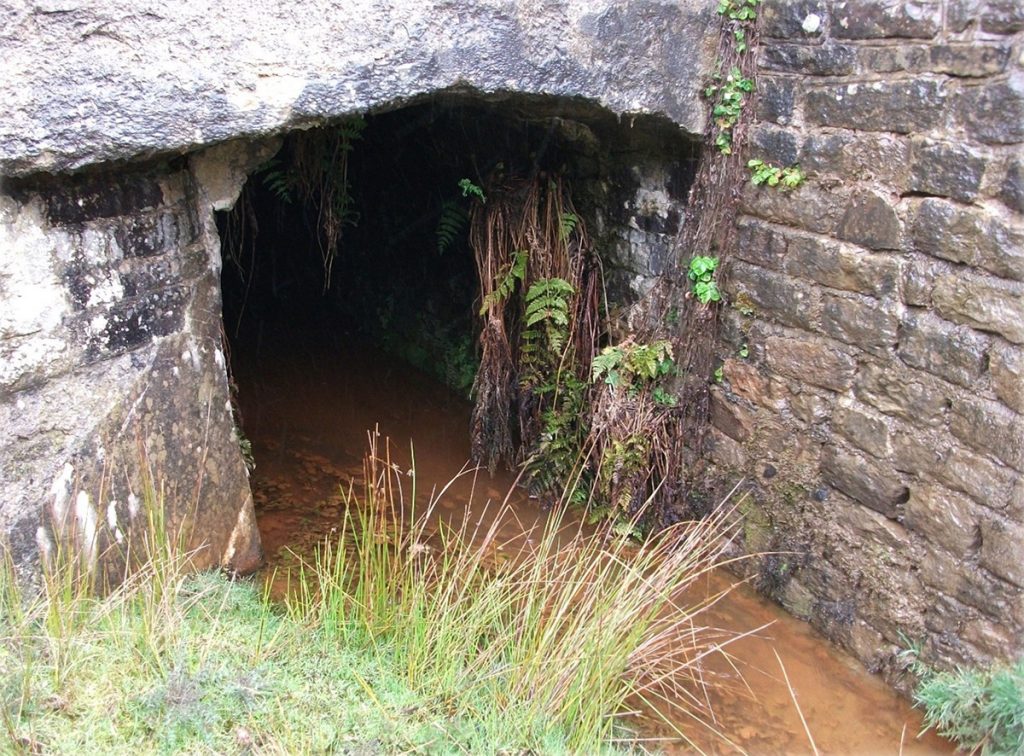
Contaminated groundwater (mine water) from Sharnberry mine pollutes 15 km of the Euden Beck and Bedburn Beck with zinc, cadmium and lead, all the way until the River Wear (see Wear management catchment: baseline length of rivers and estuaries polluted by abandoned metal mines – GOV.UK).
Cleaning up this type of pollution is a priority for government as Parliament has set a statutory Environment Act target to halve the length of rivers and estuaries polluted by abandoned metal mines by 2038.
Monitoring by the Environment Agency shows that the most significant river pollution from this mine is caused by mine water discharging from the Sharnberry mine adit, an historical drainage tunnel. Metals are also washed out of metal-rich mine wastes (or spoil heaps) by river erosion and rain. This metal pollution can negatively impact fish and other river wildlife.
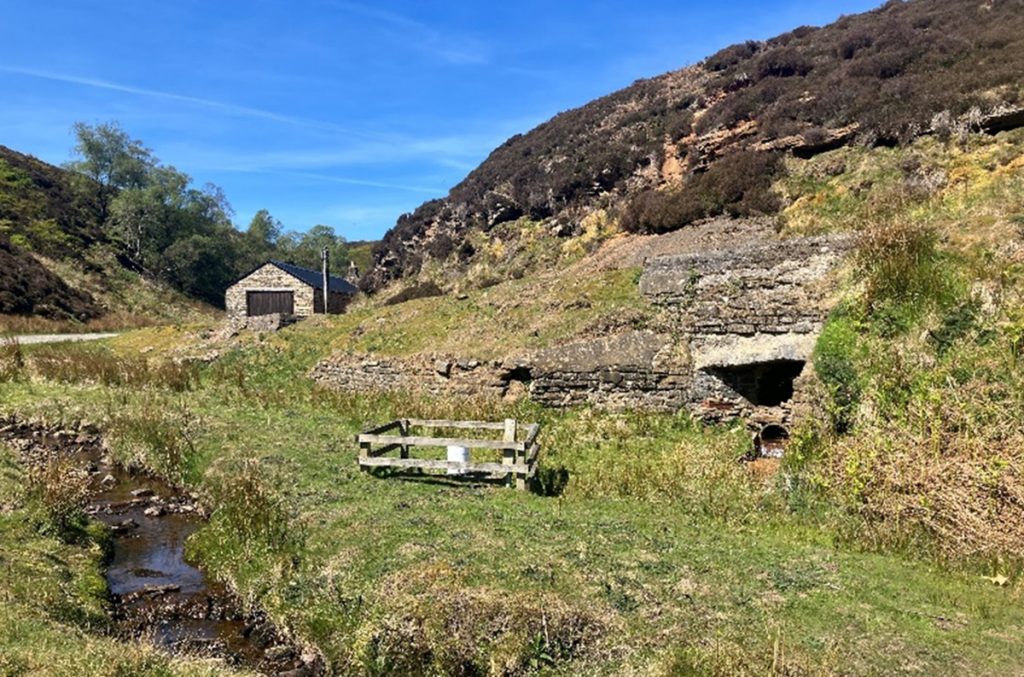
Concentrations of zinc just downstream of Sharnberry adit can be more than 90 times higher than the safe level for river wildlife, while cadmium can be more than 20 times higher the safe level. The river is also polluted by lead at up to 11 times the safe level for river wildlife but most of this pollution comes from rain washing metals out of the wastes left around the mine.
As the mine closed before the year 2000, the former mine owners and operators do not have to deal with the water pollution they created. Unless action is taken, the pollution will continue for hundreds more years.
The WAMM Programme wants to build a mine water treatment scheme to treat the pollution from Sharnberry mine. When it is built, the scheme would need to be operated indefinitely to continue to remove metals from the mine water and protect river water quality and wildlife.