
Working closely with our delivery partner, Kier Infrastructure Services Ltd, we have designed and constructed the scheme in a way that reflects the needs of residents and the environment around it. From the outset, our focus has been on ensuring that the project provides lasting environmental protection while also creating meaningful opportunities for local people to engage with and benefit from the development taking place in their community.
By embedding clear social value requirements into the project from the outset, we ensured that our collaboration with Kier would actively plan for and deliver a meaningful social value programme alongside the core works, creating wider, lasting community benefits and a positive social impact.
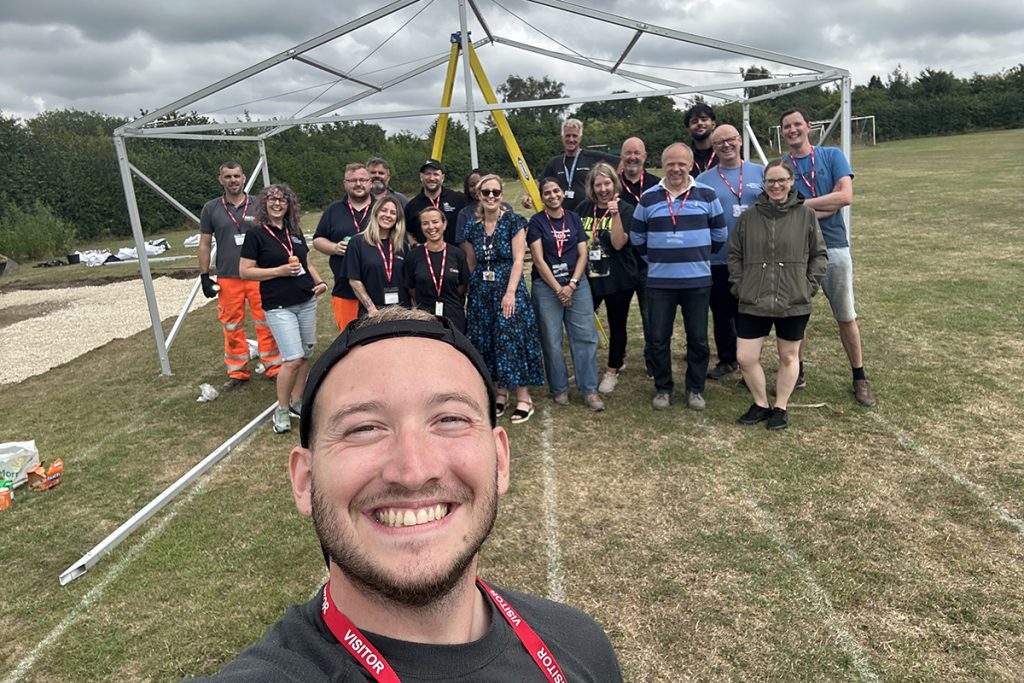
We have developed a strong relationship with nearby Redscope Primary School, hosting volunteer days where staff from the Mining Remediation Authority, Kier and other partners supported the school with outdoor maintenance. Pupils also visited the site to learn how mine water treatment protects their environment and to experience an active construction site. Engagement extended to local secondary schools through careers events and work experience opportunities, supported by a full-time engineering apprentice based on the project for the past year.
Community involvement has been a core part of the project from the onset, with successful community engagement events being held prior to commencement, and regular newsletters providing important updates. A community reed planting day attracted strong local interest, allowing residents to contribute directly to creating new habitats within the scheme.
Throughout construction, we have enhanced and maintained footpaths and bridleways surrounding the site to ensure safety and accessibility, and installed information boards featuring QR codes that link to interactive content on our project website. These resources have been designed to explain the purpose and benefits of the scheme to walkers and horse riders who regularly use the area.
Thorpe Hesley is also the first project where we have trialled a digital tool that uses artificial intelligence to capture carbon-related data from material deliveries. By scanning delivery tickets and capturing not only travel distances and emissions in real time, but also the total embodied carbon of the materials delivered. The tool has given the project team clearer insight into its carbon footprint and helped identify opportunities to reduce emissions, such as using more local SME’s or alternative products. The trial has strengthened our understanding of how digital tools can support low-carbon construction and has been extended for the remainder of the project.
Regular ecological input has also supported biodiversity at the site. During routine visits, ecologists identified that waste wood material was beginning to provide habitat, and advised retaining it to support wildlife. This simple action has supported biodiversity at the site and demonstrated the value of ongoing ecological engagement throughout construction.
Our Thorpe Hesley scheme illustrates how projects can deliver value beyond their core purpose, supporting the ambitions of our 2026 to 2029 Sustainability Plan and helping create closer connections with the local community.