
Since 2022, we have commissioned habitat surveys at 65 of our mine water treatment scheme sites and 17 coal tip sites across England, Scotland, and Wales. The surveys, carried out by ecological specialists, have provided us with a clearer picture of the habitat types present at each location, including grasslands, woodlands, ponds, and reed beds.
Each site has an individual survey report and a habitat map, forming a natural asset data resource that will support our decision-making going forwards. Having completed surveys at 65 of our mine water treatment scheme sites, we now have a full baseline of data about the habitats across this collection of sites, plus their current ecological condition.
Our sites encompass a wide range of habitat types, and while our current management practice helps to support species such as grass snakes, barn owls, reed buntings, and swallows, there are opportunities to improve and maximise the ecological potential of some sites. In many cases, with modest adjustments to current land management practice, these habitats could be significantly improved, offering better support for biodiversity and more resilient ecosystems.
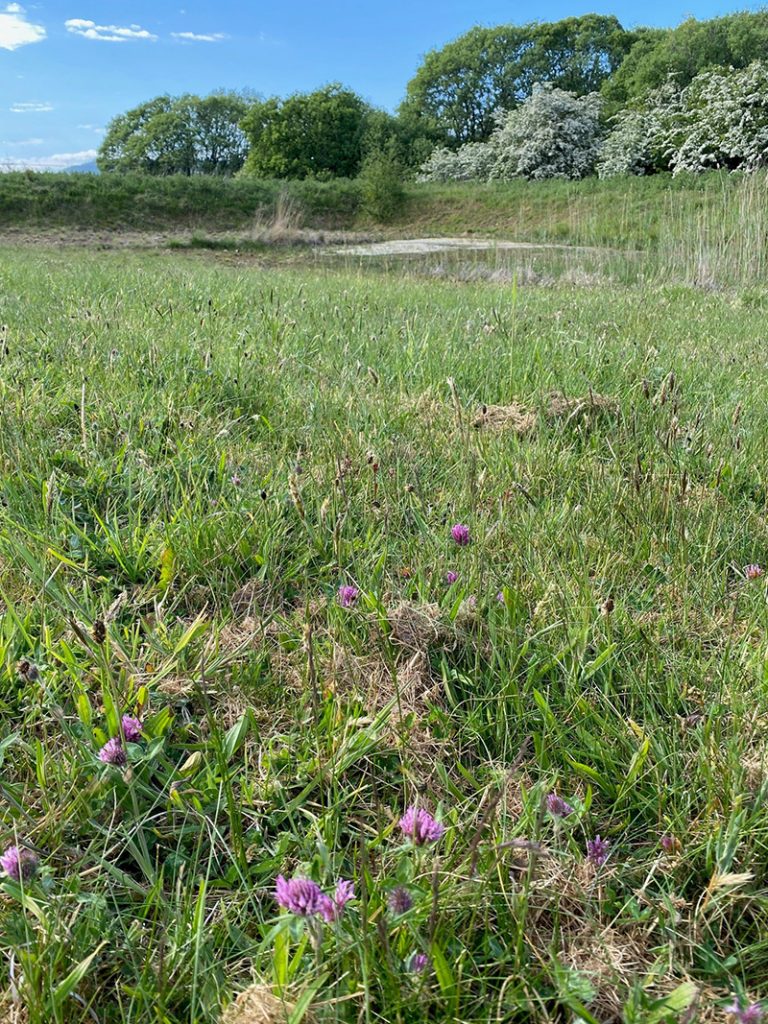
We have already begun translating this ecological insight into practical action. Building on the recommendations from the surveys, we have developed detailed ecological management plans for 65 mine water treatment scheme sites.
These plans provide clear, site-specific instructions for how to improve and manage each habitat type and represent a new standard in land management to support biodiversity and nature recovery. These documents are a crucial part of our new Operations and Maintenance contract which will manage our mine water treatment schemes for the next eight years. Having this information available from the start of the contract will allow good ecological practices to be embedded from the beginning. We have also prepared ecological management plans for two other priority sites: Morton coal tip in Derbyshire and Caerau coal tip in Bridgend.
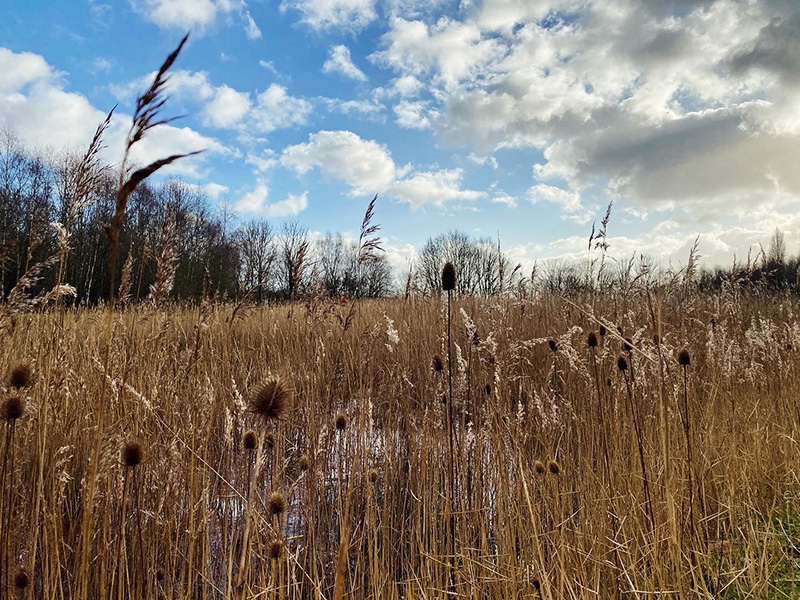
Looking ahead, our focus will be on expanding and embedding this work and we are planning to commission more habitat surveys for the remaining coal tip sites which, when combined with existing data, will form a comprehensive biodiversity database for our operational sites.
We are also actively exploring new delivery models to support our work and deliver efficiency and value for money, including collaboration with community volunteers and environmental partners. Together with colleagues and partners we’re committed to improving the environment at our operational sites and taking positive action to enhance biodiversity and encourage nature recovery.